Japan eSIM Coverage: KDDI, SoftBank and What to Expect
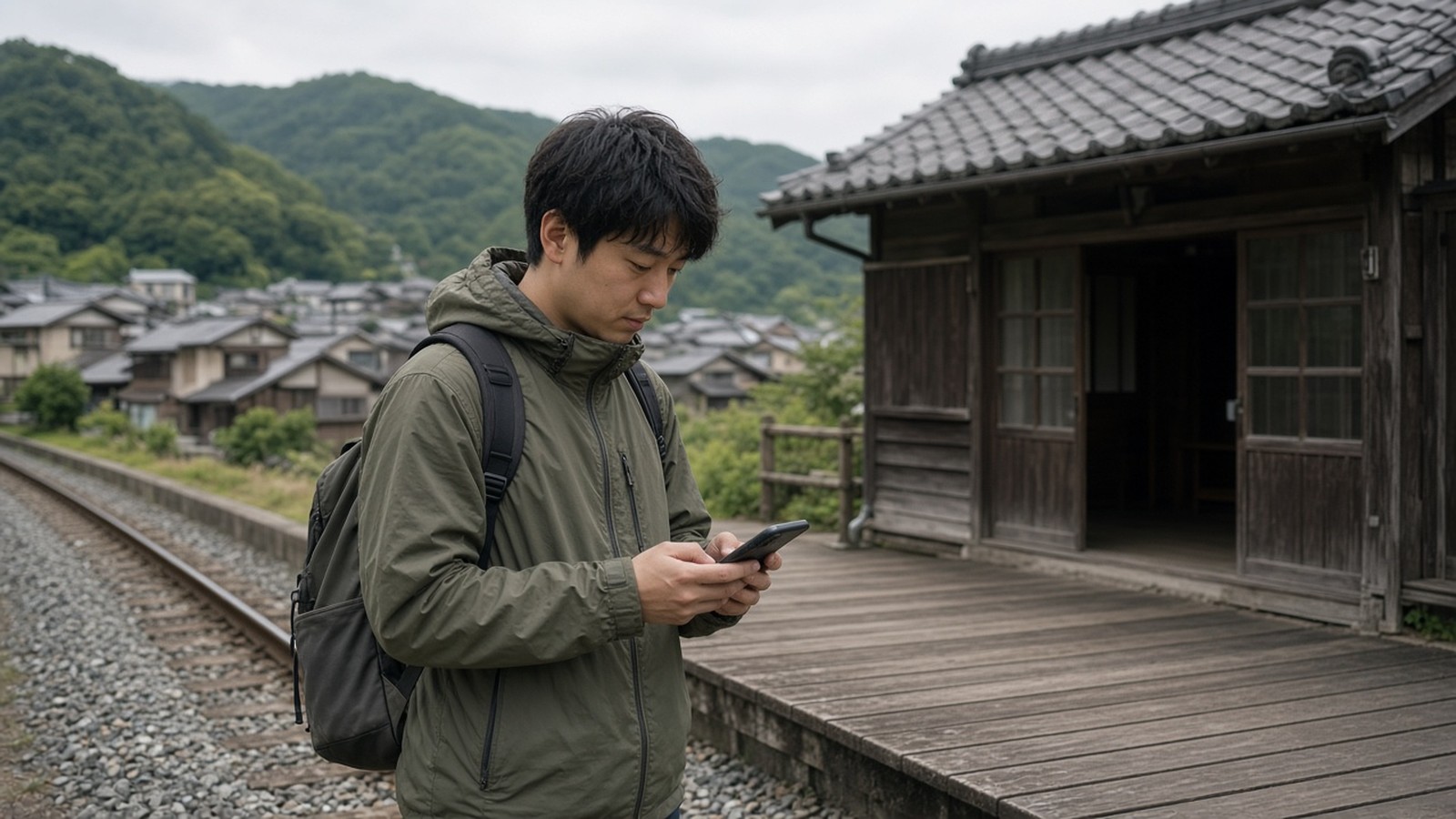
Before you buy a travel eSIM for Japan, it helps to know which local networks it will actually use, and how to check coverage for the places on your itinerary. This guide explains Japan eSIM coverage on ZetSIM's Japan plans: the networks those plans use, what "4G and 5G where live" means in practice, and how to read the operators' own official maps.
Which networks a ZetSIM Japan eSIM uses
ZetSIM's Japan plans run on KDDI and SoftBank. The plan page describes these as local networks, not a roaming arrangement. KDDI is the company behind the au mobile network, which is why the official coverage maps sit on au's own site. SoftBank publishes its maps under its own name.
Those are the only two networks named on the live Japan eSIM plans page. Japan has other nationwide operators, but a ZetSIM Japan plan does not list them, so this guide does not treat them as part of the service.
What "4G and 5G where live" means
ZetSIM states that Japan plans use 4G LTE and 5G where the local network has it live. In other words, the eSIM can use 5G in places where KDDI or SoftBank have 5G in service, and it falls back to 4G LTE elsewhere on those networks. It is not a promise that every street, station or hiking trail has 5G, or that you will always connect on 5G even inside a mapped 5G area.
That last point is one the operators make themselves. On its high-speed area page, last updated as of November 2026, au (KDDI) says that 5G-capable phones can also be used in 4G LTE areas, and that 5G radio does not reach indoors as readily as 4G LTE. Even inside a 5G service area, the connection may be 4G LTE instead.
How to check Japan eSIM coverage on official maps
The most reliable way to judge a specific town, station or trail is to look it up on the operators' own maps, not on a third-party summary. au's English service area page lets you look up service areas nationwide, with more detailed 5G maps, rail routes and commercial-area pages in Japanese. The Japanese area page lets you open current and planned maps by phone type, such as a 5G or LTE smartphone, and by prefecture, including Hokkaido and Okinawa.
SoftBank's English networks page says you can browse the corresponding service area by selecting your handset. The detailed map is in Japanese. SoftBank also notes that the service area differs by device, and that even inside a mapped service area, use can be limited depending on the contract, the device's settings and the condition of reception.
au makes a similar caution about maps going out of date. After a map is published, it says, the relocation of base-station equipment can cause some spots to fall outside the coverage area without notice.
What to expect in cities, indoors and further afield
Neither ZetSIM nor the two operators publish a simple city-by-city scorecard for travellers. What you can say, from their own pages, is more cautious than a coverage league table, and more useful:
Check both official maps for each place you care about, because a ZetSIM Japan plan can use either KDDI or SoftBank.
Expect 5G mainly where the operator has it in service; indoors, au says you may be on 4G LTE even in a 5G area.
If your trip leaves the big cities, look up the specific towns, coasts or mountain approaches on the prefecture maps rather than assuming a nationwide headline applies to every kilometre.
SoftBank describes ongoing quality work from cities to remote islands and mountainous areas, including published examples such as work on Miyako and Ishigaki. That is a statement of network investment, not a promise of signal at a named viewpoint.
Plans, hotspot and a working phone
Coverage is only useful if the plan fits the trip. Current plan sizes, validity periods and prices are listed on the Japan eSIM plans page linked above. Hotspot sharing is included on every plan, for up to 5 devices.
Your phone also has to be able to take the eSIM. Confirm your model on the compatible devices list. A carrier-locked phone will refuse a travel eSIM, so check that with your home operator before you buy.
Connecting when you land
After you pay, ZetSIM emails the eSIM. Install it at home on Wi-Fi and leave it off until you arrive. Validity starts when your phone first connects to a local network in Japan, not when you buy or install, so setting it up early does not use up the plan. On landing, turn on the eSIM line, enable data roaming for that line and set it as your mobile data line. Your home number can stay in the phone for calls, texts and one-time passcodes.
The eSIM itself never expires; only the plan on it has a validity. If you come back to Japan, you can add a new plan to the same profile. If you run low mid-trip, a top-up goes onto the eSIM you already have.
Japan eSIM coverage: FAQ
Which network will my phone use, KDDI or SoftBank?
ZetSIM lists both. Your phone chooses a network that is available in that location. You do not pick one at checkout, and this guide does not claim that one of the two is always stronger. If a place matters to you, check it on both official maps.
Will I get 5G everywhere in Japan?
No. ZetSIM's Japan plans use 5G where the local network has it live, and 4G LTE otherwise. au also says that even inside a 5G service area, the connection may be 4G LTE, especially indoors.
Do I need to check coverage if I am only visiting Tokyo, Osaka or Kyoto?
Those cities are the easiest places to look up, and you should still install the eSIM before you fly. If you add a day trip into the hills or along the coast, take a moment to check that stop on the official maps too.
What if the eSIM does not connect?
ZetSIM support is available 24/7 in 11 languages. Under the refund policy, a plan that has not been activated can be refunded in full as refund coins while it is still valid.