


Thailand Travel Guide: Top Places, Itineraries, and Tips That Actually Work
Quick reality check: Thailand can feel easy—until you land, need maps, and your SIM situation turns into a tiny project. If you want it simple, ZetSIM offers a Thailand eSIM you can purchase online, receive by email, and activate by scanning a QR code and switching on data roaming.
ZetSIM eSIMs can be installed in advance and activated once you reach your destination (handy when you want data the minute you land).
Thailand travel guide overview
Thailand is one of those countries that fits almost any travel style. First trip? It’s forgiving. Returning traveler? It keeps surprising you. But it’s not “just show up and wing it” unless you enjoy spending your vacation negotiating logistics—ferries, night trains, airport transfers, weather, and the classic mistake: cramming too many places into too few days.
In practice, planning Thailand is about three decisions:
- Choose your core vibe: cities and culture, mountains and cafés, islands and beaches, or a mix.
- Pick the right season for your route: weather shifts a lot between the Gulf and Andaman coasts.
- Sort your essentials early: accommodation in peak periods, intercity tickets on busy routes, and mobile data.
If you do those three things, Thailand becomes what it should be—easy days, great food, and enough spontaneity to feel like you’re not on rails.
Best time to visit Thailand (without the vague advice)
The dry season is typically November to February, and yes, it’s popular for a reason—comfortable temperatures and lower humidity. But “best time” depends on what you’re doing.
- Beach-heavy itineraries: check which coast you’re visiting. The Andaman side (Phuket/Krabi) and the Gulf side (Koh Samui/Koh Tao) don’t peak at exactly the same time.
- Bangkok + cultural route: cooler months are simply nicer for long walks, temple visits, and markets.
- Budget-focused trips: shoulder season can be great if you don’t mind occasional rain and plan indoor-friendly activities.
And yes—Thailand is hot. Bring lightweight clothing, but don’t forget something that respects temple dress codes. People who ignore that rule always end up buying an overpriced cover-up outside the gate.
Top things to do in Thailand
Most travelers don’t realize how different each region feels until they’ve done at least two. Bangkok isn’t Chiang Mai. Krabi isn’t Koh Samui. That’s why Thailand works—you can stitch together very different days without leaving the country.
Bangkok: street food, temples, and the best kind of chaos
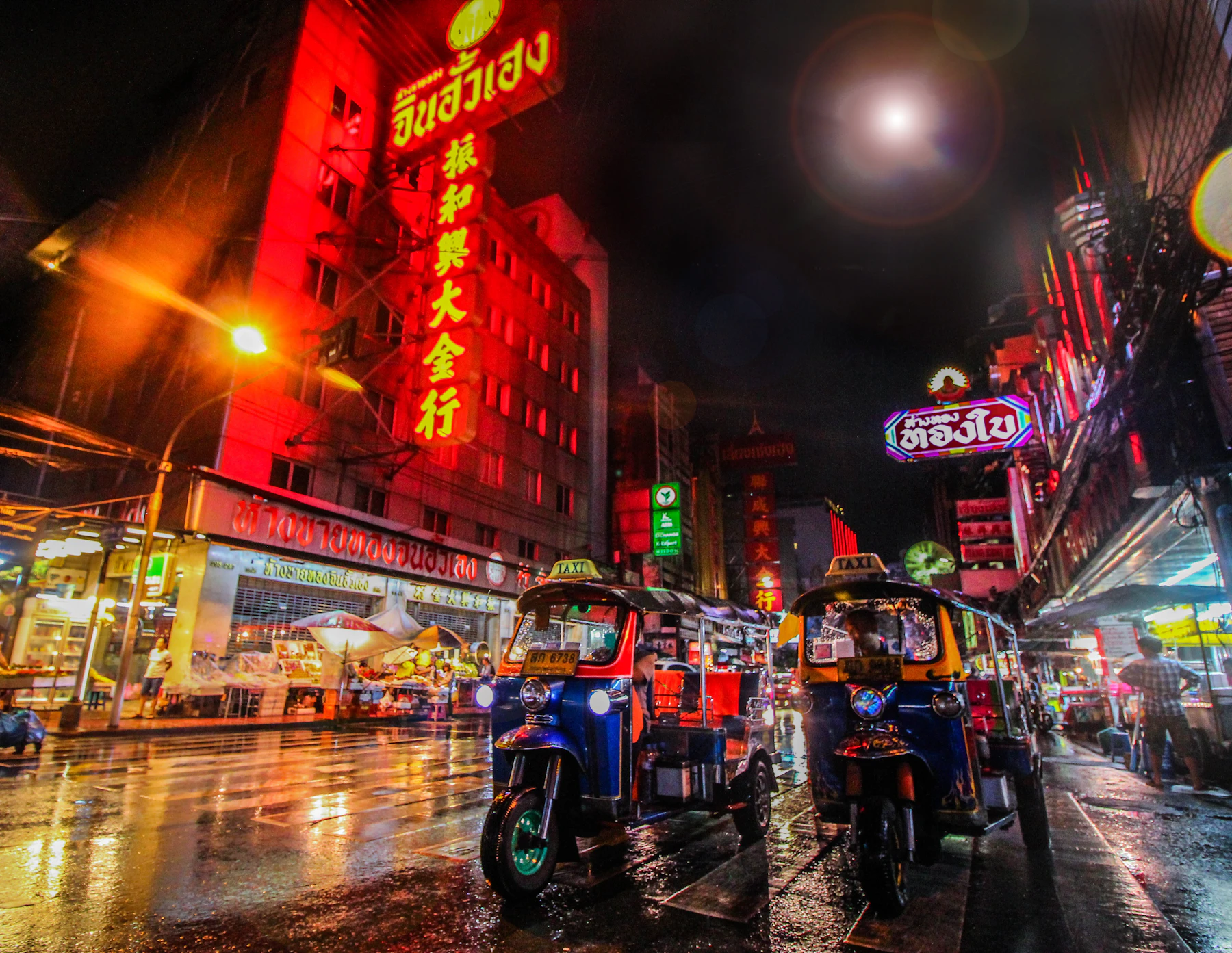
Bangkok is loud, crowded, and worth it. Don’t try to “finish” it. Pick a few anchors and leave breathing room.
- Temple day: choose a small set, go early, then take a break. Heat wins eventually.
- Food plan: street food + a proper sit-down meal. Balance it. Your stomach will thank you.
- River time: a ferry ride is cheap and changes the whole mood of the day.
Chiang Mai and the North: slower mornings, nature, and night markets
If Bangkok is a sprint, Chiang Mai is a long walk with stops for coffee. It’s great for cooking classes, ethical elephant experiences (research matters here), and day trips into the hills.
- Night markets: go hungry, go curious, don’t overthink it.
- Day trips: waterfalls, viewpoints, and small towns can be the highlight of the entire trip.
Islands and beaches: choose based on your “beach personality”
Here’s the thing—people pick islands like they pick a wallpaper. Wrong approach. Choose based on what you’ll actually do all day.
- Relax + convenience: easy transport, plenty of restaurants, comfortable stays.
- Diving/snorkeling focus: base yourself where day trips are simple and frequent.
- Cliffs + viewpoints: iconic landscapes, boat tours, and sunrise/sunset spots.
And don’t underestimate travel time between islands. That “quick hop” can quietly eat half a day.
Adventure and outdoor days
Thailand isn’t just beaches and temples. Try a national park day, a sunrise hike, or a simple scooter loop in a scenic area (only if you’re a confident rider). And yes, ride safely—vacation injuries are a terrible souvenir.
Creating your Thailand travel itinerary
A good Thailand travel itinerary isn’t a checklist. It’s a rhythm. Travel days, rest days, and at least one “nothing planned” day—because that’s usually when you stumble into the best meal of the trip.
7-day Thailand itinerary (first-timers)
- Days 1–3: Bangkok (temples, markets, river area, food neighborhoods)
- Days 4–7: one beach base (choose one region, don’t scatter)
Two bases in a week is enough. Any more and you’ll spend too much time packing, checking out, and waiting.
10-day Thailand itinerary (balanced)
- Days 1–3: Bangkok
- Days 4–6: Chiang Mai (or another northern base)
- Days 7–10: beach/island base
This is the “classic” route for a reason. It mixes city energy, culture, and recovery time near water.
14-day Thailand itinerary (more breathing room)
- Days 1–4: Bangkok (add a day trip)
- Days 5–9: North (Chiang Mai + a nearby area)
- Days 10–14: split beaches into two bases only if transport is easy
If you’ve ever tried to fit “Bangkok + Chiang Mai + three islands” into two weeks, you already know—ambition doesn’t beat geography.
Thailand travel tips and hacks
Money and budgeting
Thailand can be budget-friendly, but costs creep up when you book last minute in peak season or rely on taxis for every trip. Mix transport types and plan a couple of big-ticket experiences—then keep the rest flexible.
- Pay attention to small daily costs: transfers, bottled water, convenience store snacks. They add up quietly.
- Withdraw wisely: minimize ATM runs by withdrawing less often (fees vary).
- Spend on what matters: a comfortable base in a walkable area can be worth more than a “luxury” room far away.
Getting around (and not losing a day)
Thailand transport is generally solid, but it’s not magical. Expect time buffers.
- Flights: great for long jumps, but airports and transfers still take time.
- Trains and buses: scenic, often efficient, and sometimes an experience by themselves.
- Ferries: plan around weather and schedules, and keep your essentials accessible.
Food and etiquette
Eat adventurously, but be smart. Pick busy stalls, watch for turnover, and don’t treat spicy food like a challenge. You won’t win.
- Temple etiquette: cover shoulders and knees; be respectful with photos.
- Markets: ask before photographing people up close. A little politeness goes a long way.
Safety (simple, not dramatic)
Thailand is generally safe for tourists, but common-sense rules apply. Keep valuables secured, avoid risky rides, and be cautious with alcohol in unfamiliar places. And if you rent a scooter, wear a helmet—every time. No exceptions.
Staying connected: why an eSIM matters in Thailand
People underestimate how much their trip depends on mobile data. Maps, ride-hailing, restaurant hours, ticket confirmations, translation, banking—your phone is basically your travel control center. And paying international roaming rates is one of the quickest ways to feel annoyed for no reason.
Where ZetSIM fits (simple setup)
ZetSIM is a travel eSIM provider with plans for Thailand and regional/global options for multi-country routes. The setup is intentionally straightforward:
- Select country & plan on ZetSIM
- Check eSIM compatibility, checkout & pay, then receive the eSIM by email
- Scan the QR code & switch on data roaming to activate
And yes, you can install it before you travel and activate when you land. That’s the whole point—no scrambling at the airport when you’d rather be heading to your hotel.
If you’re doing Thailand + another country: ZetSIM also offers regional and global eSIM plans designed for travelers visiting multiple countries. It’s cleaner than juggling multiple physical SIMs.
FAQ
Who should use a Thailand travel guide instead of winging it?
Anyone on a short trip, anyone visiting multiple regions, and anyone traveling in peak season. If your time is limited, a travel guide in Thailand helps you avoid the classic mistakes—overpacked routes, bad transfer timing, and missing booking windows for popular areas.
What are the must-see attractions in Thailand?
It depends on your route, but most first-timers prioritize a mix: Bangkok for temples and street life, a northern base like Chiang Mai for culture and slower days, and one beach/island area for downtime. The best “attraction” is often a great neighborhood—walkable, food-heavy, and easy to explore at night.
When is the best time to visit Thailand?
The dry season is typically November to February, with more comfortable temperatures for city exploring. For islands, timing can vary by coast, so match your beach region to the season you’re traveling.
Where should I stay in Thailand for a first trip?
Stay where you can walk to food and transit. In Bangkok, that usually means areas with easy access to public transport and frequent taxi/ride options. In beach destinations, pick a base close to the beach you’ll actually use—because “10 minutes away” often turns into 30 in real life.
Why is mobile data important while traveling in Thailand?
Because your trip runs on it—maps, bookings, transport, translation, and messaging. Reliable data also reduces stress when plans change (and they will). Many travelers choose an eSIM to avoid expensive roaming and to get connected quickly after landing.
How can I stay connected in Thailand with ZetSIM?
Pick a Thailand plan on ZetSIM, complete checkout, and you’ll receive the eSIM by email. Install it by scanning the QR code, then activate by switching on data roaming when you arrive. ZetSIM also supports regional/global plans if Thailand is part of a multi-country itinerary.
Which essentials should I always carry in Thailand?
A small day bag, sunscreen, mosquito repellent, a reusable water bottle, a light cover-up for temples, and a backup way to access bookings (screenshots help when signal is weak). And keep your phone charged—Thailand is a lot easier when your map works.


