


Australia Digital Nomad Visa: what it is (and what it isn’t)
If you’ve been searching for an “Australia digital nomad visa,” here’s the straight answer: Australia doesn’t currently offer a dedicated digital nomad visa category like some countries do. But you still have workable pathways—if you respect the rules and choose the right visa for your situation.
What people mean by “Australia digital nomad visa”
Most remote workers aren’t really asking for a brand-new visa label. They want a legal way to live in Australia for a while, keep earning income (often from overseas clients or an overseas employer), and not get stuck with a dead phone plan the moment they land.
And yes, you can build a nomad-style stay in Australia. But it usually happens through existing visas—visitor pathways for short stays, working holiday options for eligible ages/nationalities, student visas if you’re genuinely studying, or other longer-term visas with stricter requirements.
Practical reality: your “digital nomad visa” plan needs two parts: (1) a visa that matches what you’re actually doing, and (2) a reliable way to stay connected for work calls, banking, maps, and 2FA. That second part is where ZetSIM by Zetsim fits naturally—install once, connect when you land, and top up when you need it.
Visa options that digital nomads typically consider
Australia’s immigration system is detailed, and it’s not designed around the “remote worker lifestyle.” So you have to be honest about your intent and choose carefully. If you’ve ever tried to wing it at border control, you already know that vague answers don’t help.
1) Visitor visas (short stays)
For many travelers, a visitor visa is the simplest way to spend a few weeks or a couple of months in Australia while continuing to manage overseas work in a low-key way. But you must pay close attention to conditions—visitor pathways are generally not intended for taking up work in Australia.
- Best for: short stays, tourism-first trips, remote work that remains clearly offshore.
- Not ideal for: anything that looks like entering the Australian labor market.
2) Working Holiday visas (if you’re eligible)
Working Holiday programs can be a great fit for a nomad who wants flexibility and the ability to take local work while exploring. It’s not “australia remote work visa” branding, but in practice it can be closer to what people want.
- Best for: eligible ages/nationalities who want to fund travel with local work.
- Watch for: specific eligibility rules and any limits on employer duration or work types.
3) Student visas (study first, remote work second)
If you’re genuinely enrolled in a course, a student visa can support a longer stay. People sometimes assume it’s an easy workaround. It isn’t. Australia expects you to actually study and comply with work conditions.
- Best for: people who truly want an Australian education experience.
- Not ideal for: “I just want a visa to work remotely and surf.” Australia can spot that story from a mile away.
4) Longer-term skilled/business pathways (complex, but real)
If you’re thinking long-term—especially if you want a path that could eventually connect to residency—this becomes a totally different conversation. Skilled and business pathways can be relevant, but they’re not quick, and they’re not casual.
And that’s fine. Just don’t pretend you’re applying for a light, nomad-style permit. Australia doesn’t treat it that way.
Digital nomad Australia requirements: what you should prepare anyway
Even without a dedicated australia digital nomad visa, the same prep work keeps you out of trouble—and makes your stay smoother. It’s the boring stuff that saves you.
Proof you can support yourself
Australia is not cheap, especially in major cities. Be ready to show that you can pay your way—accommodation, flights, daily costs. If your plan relies on “I’ll figure it out,” rethink it.
Health coverage and risk planning
Medical surprises are expensive. Sort out coverage that matches your visa conditions and your risk tolerance. People skip this because it feels optional. Then they get sick in week two.
Clear ties and a credible itinerary
If asked, you should be able to explain where you’re staying, how long, and why. Rambling about “digital nomad vibes” doesn’t count as a plan.
Connectivity you can depend on (seriously)
Remote work breaks fast without data—login approvals, client calls, banking security texts, maps when you’re late to a meeting. And airport Wi‑Fi is not a strategy.
ZetSIM by Zetsim is designed for travelers who want connectivity without drama. It’s built on licensed telecom networks and globally recognized security standards, and it’s meant to be simple: activate once, connect when you land, and top up anytime.
Application process: how to think about it (without guessing)
Here’s the thing—people want a one-size-fits-all checklist. Australia immigration doesn’t work that way. But you can approach it like a professional:
- Start with intent: Are you visiting? Working locally? Studying? Trying to relocate long-term?
- Pick the visa that matches that intent: Not the one you hope you can “stretch.”
- Read conditions carefully: Especially any restrictions around work, length of stay, and compliance obligations.
- Prepare evidence: Funds, itinerary, return plans, enrollment (if student), and anything the specific pathway requires.
- Don’t create contradictions: What you submit, what you carry, and what you say should match.
And yes, processing times and requirements can change. Treat anything you read online as a starting point—not a guarantee.
Best cities in Australia for digital nomads (real-life view)
Australia is huge. Your experience depends on where you base yourself and what you actually need to get work done: time zones, coworking access, rent reality, and the kind of community you want around you.
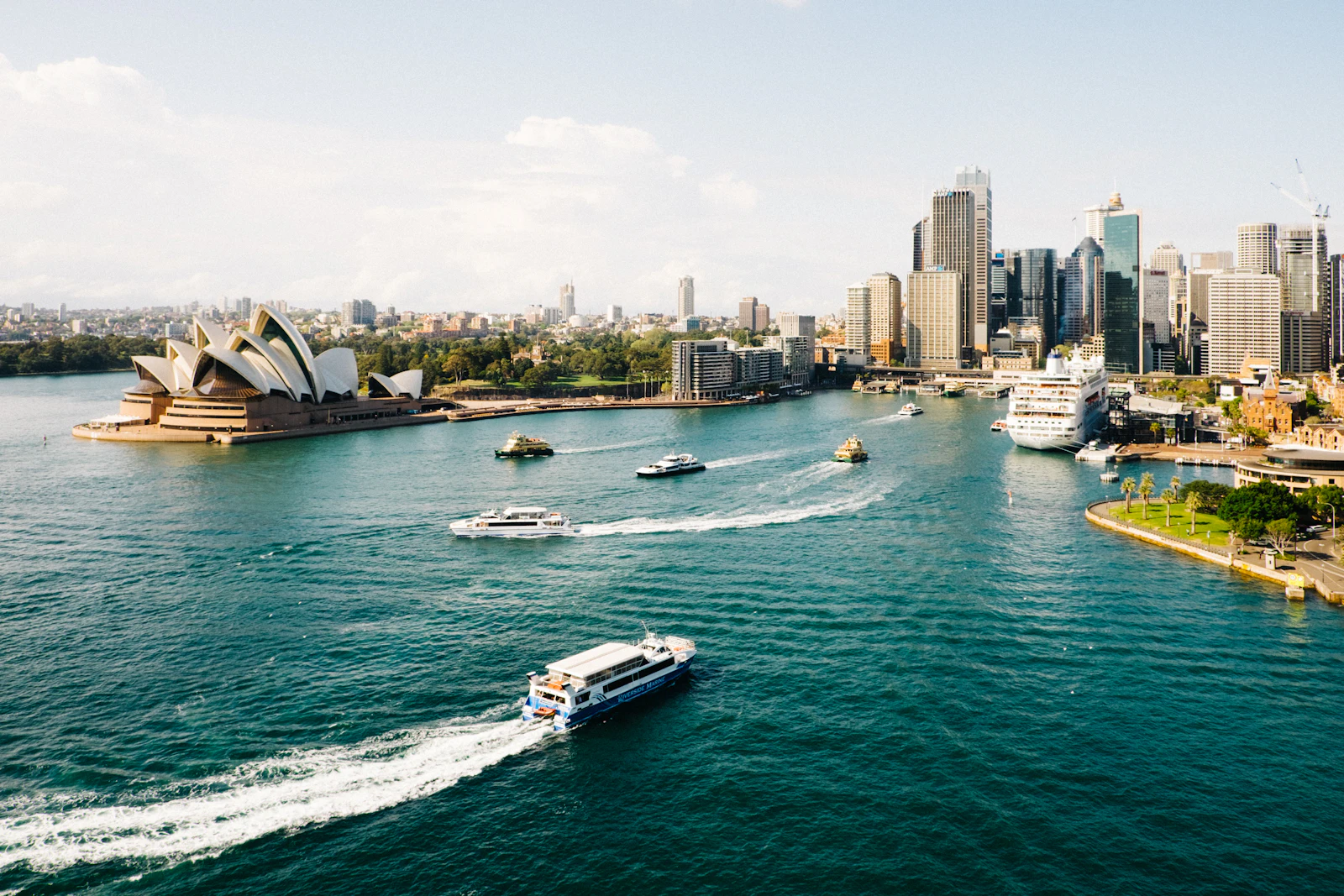
Sydney
Sydney is the postcard version of Australia. It’s also where your budget goes to get tested. But if you’re client-facing and you want premium coworking, strong café culture, and a global city rhythm, it’s hard to beat.
- Good for: networking, events, corporate-friendly vibe, weekend escapes.
- Watch for: accommodation costs and commute time.
Melbourne
Melbourne feels built for people who like to work in cafés, take meetings, then disappear into laneways for food. It’s creative, slightly obsessive about coffee, and usually easier to settle into socially.
- Good for: arts/tech community overlap, coworking culture, food scene.
- Watch for: weather mood swings. Pack layers.
Brisbane
Brisbane is often the “why didn’t I come here sooner?” city. Warmer climate, growing business scene, and a pace that feels more livable if you’re working full-time remotely.
- Good for: sunshine, access to Gold Coast / Sunshine Coast, a calmer daily routine.
- Watch for: summer heat and humidity.
Perth (underrated, but far)
Perth has serious lifestyle appeal—beaches, space, and a different kind of calm. But it’s isolated. That’s either the point, or the deal-breaker.
- Good for: focus, outdoors, less “big city frenzy.”
- Watch for: distance from other Australian cities (and time zone differences for calls).
Remote work logistics that matter more than you think
People spend weeks comparing suburbs and ignore the basics that keep their work life stable. Then they panic when the basics collapse.
Time zones and client expectations
Australia time can be brilliant or brutal depending on where your clients are. If your calendar is packed with North America or Europe calls, plan your days around that—don’t pretend you’ll “adjust later.”
Two-factor authentication and travel banking
2FA is where remote work trips go to die. You need reliable mobile data when your bank decides it doesn’t like your login from a new country. ZetSIM is built for travelers who need that kind of always-on practicality.
Backup internet mindset
Even in good cities, connectivity can drop at the worst time. Have a backup plan—your phone data is usually that plan. If you’re taking important calls, test it on day one, not during the call.
How ZetSIM fits a nomad workflow: Zetsim’s setup is designed to be straightforward—select a destination and plan, check eSIM compatibility, pay, then scan the QR code. You can install ahead of travel and activate when you arrive.
FAQ: Australia digital nomad visa
What is a digital nomad visa in Australia?
Australia doesn’t currently have a dedicated “digital nomad visa” category. People use the phrase to describe staying in Australia while working remotely, but the legal basis typically comes from existing visa pathways and their conditions.
Who can apply for a digital nomad visa in Australia?
Because there isn’t a specific Australia digital nomad visa, eligibility depends on the visa pathway you choose (visitor, working holiday if eligible, student if genuinely studying, or longer-term skilled/business options). Each has its own rules and evidence requirements.
How do I apply to work remotely in Australia legally?
Start by identifying your real intent and selecting the visa that matches it. Then follow that visa’s official application process and comply with its conditions. If your plan involves local work, don’t assume a visitor pathway will cover it—check conditions carefully.
When should I start the application process?
As early as you reasonably can, especially if you need documents, translations, or proof of funds. Processing times vary by visa type and can change. Build in buffer time so your flights and accommodation aren’t locked in too tightly.
Where can digital nomads work in Australia?
In practice, digital nomads base themselves in major cities like Sydney, Melbourne, and Brisbane, or choose lifestyle hubs near the coast. The bigger question is visa compliance—make sure your working arrangement aligns with your visa conditions.
Why choose Australia for remote work?
It’s safe, modern, and packed with nature breaks that feel unreal after a week of calls—beaches, national parks, reef trips, desert landscapes. But it’s not the cheapest place to run a long remote-work stay, so budgeting matters.
Will a digital nomad visa lead to permanent residency in Australia?
Since there isn’t a dedicated Australia digital nomad visa, there isn’t a direct “nomad visa to PR” track. Some longer-term visa pathways can connect to residency in certain cases, but they’re separate programs with strict criteria.
How can I stay connected while traveling around Australia?
Plan for mobile data you can rely on for maps, client calls, and account security. ZetSIM by Zetsim is built for travelers: install ahead of time, connect when you land, and top up as needed—without hunting for a physical SIM.
Quick checklist for a smooth “nomad-style” stay in Australia
- Pick a visa pathway that matches what you’re truly doing—no creative interpretations.
- Keep proof of funds and a credible plan for accommodation and return travel.
- Sort health coverage before you arrive.
- Plan your time zone schedule like an adult—Australia time can flip your workday.
- Set up reliable mobile data for 2FA and work continuity with ZetSIM.
Note: Visa rules change and personal circumstances vary. Always confirm the latest requirements and conditions through official Australian government sources before applying or traveling.
Stay connected from touchdown to takeoff
Most remote work problems on the road aren’t “big” problems. They’re tiny failures that happen at the worst moment—no data for a login code, no signal in a rideshare pickup zone, no way to message your host. ZetSIM is built to reduce that friction.


