


Country guide (en-worldwide) • Practical, on-the-ground planning
Travel Guide for Saudi Arabia
Saudi Arabia is one of those places that still surprises seasoned travelers. It’s not just big cities and business trips anymore—there are UNESCO sites, dramatic desert landscapes, the Red Sea coast, and a food scene that quietly slaps. But—and this matters—Saudi works best when you plan with a little intention. The logistics are simple once you know the rules, and the cultural side is far easier than most people assume.
Quick essentials before you book
If you only read one box—make it this one. It’ll save you time, awkward moments, and roaming fees.
- Entry requirements: Check the latest visa rules for your nationality before booking flights.
- Dress & etiquette: Modest clothing is the safe default. In practice, tourists have flexibility, but don’t test the edges.
- Weekends & hours: Many businesses run on a different rhythm than Western countries. Plan your museum and tour days.
- Connectivity: If you rely on maps, ride-hailing, translation, or digital tickets, get data sorted early. ZetSIM eSIMs can be installed in advance and activated once you arrive.
ZetSIM installation is simple: select your destination and plan, check eSIM compatibility and pay, then scan the QR and switch on data roaming to activate.
Overview of Saudi Arabia (what first-timers should know)
Saudi Arabia is huge—bigger than many people realize—so “I’ll just do a day trip” often turns into a laughable idea once you see distances on the map. Riyadh feels modern and fast-moving. Jeddah is coastal, looser, and built for strolling. Then you’ve got AlUla’s otherworldly sandstone scenery and ancient sites that feel like they belong in a movie. And yes, it’s safe in the typical tourist sense if you behave responsibly and respect local norms.
One practical opinion: don’t try to “see all of Saudi” in one short trip. Pick 2–3 regions and do them properly. You’ll enjoy it more—and spend less time in transit.
Best time to visit Saudi Arabia
Weather is the deciding factor for most travelers. Cooler months are generally easier for city walking and outdoor sites. Summer heat can be intense, especially inland. If you want to do deserts, ruins, or long promenades in Jeddah, you’ll thank yourself for choosing a milder season.
Best places to visit in Saudi Arabia
Riyadh: the capital with serious range
Riyadh isn’t “pretty” in a postcard way. That’s the wrong lens. It’s a city of scale—big roads, bold architecture, and a food and coffee culture that’s genuinely fun to explore. Mix modern Riyadh with history and you’ll get a more balanced trip than most rushed itineraries.
- City exploration: Plan for ride-hailing between stops. Distances add up fast.
- Culture: Seek out museums and heritage areas for context—Saudi history is deeper than many travelers expect.
- Evenings: Nighttime is when the city feels alive, especially after the day heat.
Jeddah: the coastal gem on the Red Sea
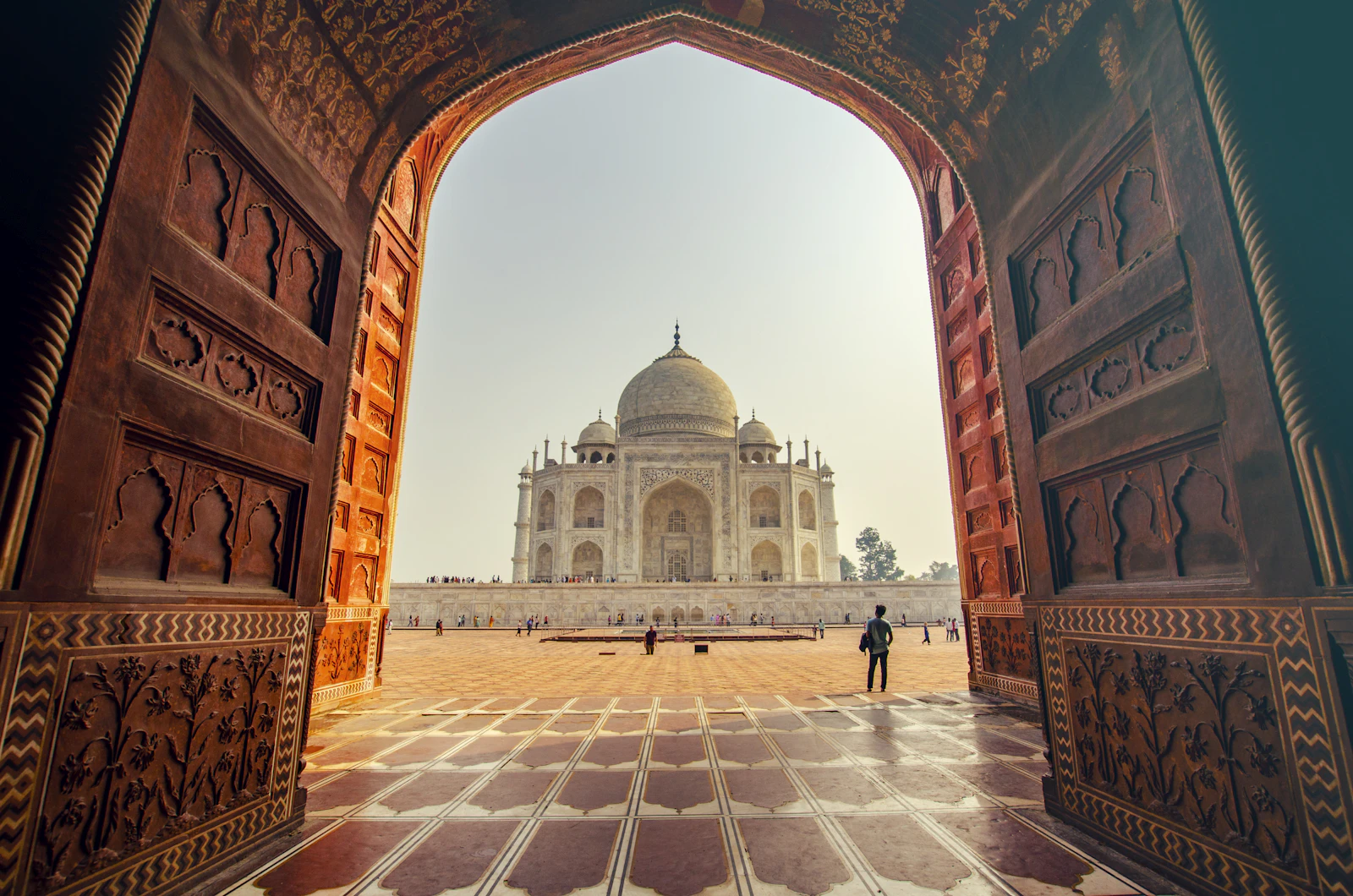
Jeddah is where a lot of travelers fall in love with the country. It’s coastal, social, and easier to “feel” as a visitor. And if you’ve ever tried walking a city without data—finding cafés, calling rides, checking opening times—you know why connectivity matters here.
- Waterfront time: The corniche is an easy win for sunsets and people-watching.
- Old city atmosphere: Explore historic areas for architecture and local markets.
- Food: Bring appetite. Seafood, grills, and modern Saudi cafés are a highlight.
AlUla & Hegra (Madā’in Ṣāliḥ): Saudi’s showstopper
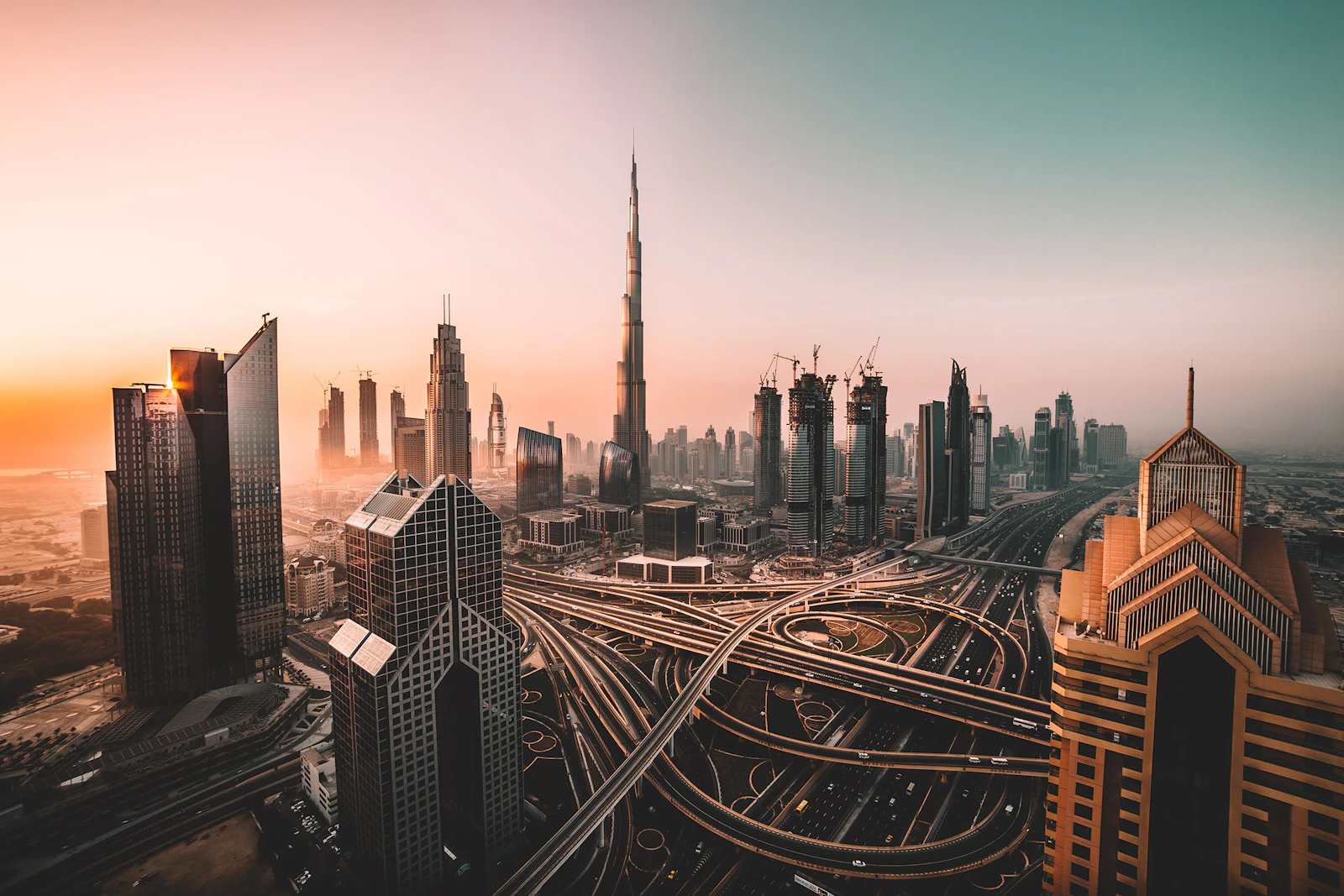
If you only do one “wow” destination, make it AlUla. It’s the kind of landscape that makes you quiet—massive sandstone formations, open desert, and heritage sites that feel incredibly preserved. Tours and timed entry can be part of the experience, so plan bookings rather than hoping you can freestyle it.
- Hegra (UNESCO): Ancient tombs carved into rock—photogenic, yes, but also historically heavy.
- Desert scenery: Sunrise and sunset are not optional. That’s when the place turns cinematic.
- Logistics: Confirm transport and tour timing ahead of time—services can be structured.

Saudi Arabia travel itinerary (7 days that actually works)
A week is enough to get a real feel without spending your entire trip in transit. This is a practical Saudi Arabia itinerary for first-timers—city energy, coastal ease, and one signature heritage destination. And yes, you’ll want dependable mobile data for ride-hailing, maps, and last-minute schedule changes. That’s just reality.
Days 1–2: Riyadh
- Arrive, check in, and do an easy first evening—food, coffee, a relaxed walk.
- Spend one full day on heritage and culture, then keep the second day flexible for modern neighborhoods and shopping.
- Build in rest. Riyadh can be intense if you over-schedule.
Days 3–4: Jeddah
- Fly to Jeddah. Choose a hotel that keeps your walking/ride time short.
- Do the waterfront at sunset. It’s a simple pleasure, and it works.
- Explore historic areas and markets in the daytime, then keep evenings for food.
Days 5–7: AlUla (with Hegra)
- Travel to AlUla and settle in—don’t cram activities immediately after arrival.
- Book your Hegra visit and plan one sunrise or sunset viewpoint.
- Leave one block of time unscheduled. Desert destinations are better when you can linger.
Connectivity tip (the non-glamorous thing that keeps trips smooth)
Most travelers don’t realize how many Saudi travel moments depend on a working data connection—QR tickets, ride-hailing, translation, finding open restaurants, even confirming tour meeting points. ZetSIM makes this part boring (that’s a compliment). You can install your eSIM in advance and activate it once you land.
- Get set up fast: Buy online and receive your eSIM via email.
- Easy install: Scan the QR code and switch on data roaming.
- Multi-stop trips: If you’re doing more than one country, ZetSIM also offers regional and global plans.
Saudi Arabia travel tips (culture, safety, and daily life)
Cultural etiquette: what matters in practice
You don’t need to be perfect. But you do need to be respectful. Saudi hospitality is real—people are often helpful, especially if you’re polite and patient. Dress modestly in public spaces, keep public behavior calm, and take cues from the environment.
- Clothing: Aim for covered shoulders and knees as a baseline. Light fabrics help.
- Photography: Don’t photograph people (especially women) without permission. It’s not worth the awkwardness.
- Religious sites: Follow posted rules and your guide’s instructions. When in doubt, ask.
Safety precautions and common sense
Standard travel habits apply: keep your valuables secure, use reputable transport, and don’t wander into restricted areas. The thing that catches people out isn’t “danger”—it’s planning. Distances, timing, and booking windows can be the real stressors.
- Emergency planning: Keep your accommodation address saved offline and in your notes.
- Transport: Ride-hailing is often the easiest option in major cities.
- Insurance: If you’re doing desert activities or tours, travel insurance is a smart spend.
Local cuisine recommendations (what to try)
Saudi food is comforting—rice dishes, grilled meats, breads, and strong coffee culture. And the modern café scene is genuinely impressive. If you’ve ever traveled somewhere and survived on “safe” food, don’t do that here. Try the local plates.
- Saudi-style coffee culture: Cafés are everywhere, and quality is high.
- Grills and rice dishes: Great for sharing, great after a long day out.
- Seafood in Jeddah: Coastal city, coastal appetite. It tracks.
Planning checklist for a smooth Saudi Arabia trip
This is the unsexy part of a travel guide for Saudi Arabia. It’s also the part that makes the trip feel effortless. Handle these early and you’ll spend your vacation actually enjoying it.
- Visa and documents: Confirm requirements and keep digital copies accessible.
- Accommodation locations: Choose hotels that reduce commute time—Saudi cities can sprawl.
- Bookings: Secure tickets/tours for high-demand sites, especially in AlUla.
- Payments: Keep a card that works internationally; carry some cash for small purchases.
- Mobile data: If your phone supports eSIM, pre-install ZetSIM and activate on arrival to avoid airport SIM hassles.
ZetSIM supports purchase online and app access via Google Play Store and App Store, with eSIM delivery by email and activation via QR scan.
FAQ: Saudi Arabia travel questions (7W1H)
What are the top things to do in Saudi Arabia?
Mix cities and landscapes. Spend time in Riyadh for modern Saudi culture, visit Jeddah for the Red Sea vibe and historic districts, and prioritize AlUla/Hegra for the country’s standout heritage and desert scenery. If you can add one “slow” experience—sunset in the desert or a long waterfront evening—do it. Those are the memories.
How do I plan a trip to Saudi Arabia effectively?
Start with regions, not a giant checklist. Pick 2–3 bases (for example: Riyadh + Jeddah + AlUla), confirm internal transport, then lock in any timed-entry sites or tours. And handle connectivity early—maps, ride-hailing, and bookings run on data. A ZetSIM eSIM can be installed before you travel and activated when you land.
When is the best time to plan a trip to Saudi Arabia?
Cooler months are usually easier for outdoor sightseeing and long city walks. If you’re planning AlUla or extended desert time, milder weather makes a big difference. If your dates are fixed in hotter months, schedule outdoor activities early morning and after sunset.
Where can I find the best cultural experiences in Saudi Arabia?
Riyadh’s heritage areas and museums are strong for context, and Jeddah’s historic districts and markets are excellent for street-level culture. In AlUla, guided visits to heritage sites add the depth that photos can’t.
Which are the must-see attractions in Saudi Arabia for first-timers?
AlUla/Hegra is the headline attraction for many travelers. Pair it with at least one major city—Riyadh or Jeddah—so you get both modern life and heritage. If you prefer coastal downtime, Jeddah is the easy add-on.
Who should consider traveling to Saudi Arabia?
Travelers who like new destinations, big landscapes, and cultural depth tend to love Saudi Arabia. It also works well for food-focused trips and photography—just be mindful about photographing people. If you prefer destinations where you can “wing it” with zero planning, Saudi can still work, but it’ll feel smoother with a basic itinerary.
Why is it essential to respect local customs in Saudi Arabia?
Respect is the social currency that keeps travel friction-free. Modest dress, polite behavior, and sensitivity around photography go a long way. You’ll get better interactions, fewer awkward moments, and a trip that feels welcoming instead of tense.
Will I need mobile data while traveling in Saudi Arabia?
If you plan to use navigation, ride-hailing, translation, digital tickets, or booking confirmations, yes—data helps constantly. ZetSIM is built for travelers: pick your destination and plan, pay online, receive the eSIM by email, scan the QR, and activate by switching on data roaming when you arrive.
Final note before you go
Saudi Arabia isn’t hard to travel—it just rewards people who respect the culture and plan the basics. Get your route right, book the high-demand experiences early, and keep your phone working for the practical stuff. Then you can focus on the good parts: the scenery, the food, and the sense that you’re seeing a place that’s still new to most of the world.
If staying connected is part of your travel routine (it probably is), ZetSIM’s eSIM setup is quick: choose a plan, check compatibility, buy, scan the QR, and activate when you land.


